Hypertension: Understanding and Preventing the "Silent Killer"
What Is Blood Pressure?
Blood pressure is the force that blood exerts against the walls of your arteries as it is pumped by the heart. It is measured in millimeters of mercury (mm Hg) and expressed with two numbers:
- Systolic pressure: the pressure when the heart beats.
- Diastolic pressure: the pressure when the heart rests between beats.
A normal reading is below 120/80 mm Hg. Hypertension is diagnosed when blood pressure is consistently equal to or higher than 140/90 mm Hg.
Risk Factors
- Advancing age
- Family history of hypertension
- Diet high in sodium and low in potassium
- Excessive alcohol consumption
- Smoking
- Sedentary lifestyle
- Chronic stress
- Overweight or obesity
Uncontrolled high blood pressure can lead to heart disease, stroke, kidney failure, and vision problems.
How to Prevent High Blood Pressure
1. Adopt a Healthy Diet
Eat a diet rich in fruits, vegetables, whole grains, and low-fat dairy products. Reduce sodium intake to less than 5 grams per day.
2. Stay Physically Active
Engage in at least 150 minutes of moderate physical activity per week.
3. Maintain a Healthy Weight
Keeping your weight in a healthy range reduces stress on the heart and blood vessels.
4. Limit Alcohol and Avoid Tobacco
Both excessive alcohol and smoking can raise blood pressure.
5. Manage Stress
Relaxation techniques such as meditation, yoga, or deep breathing can help control stress.
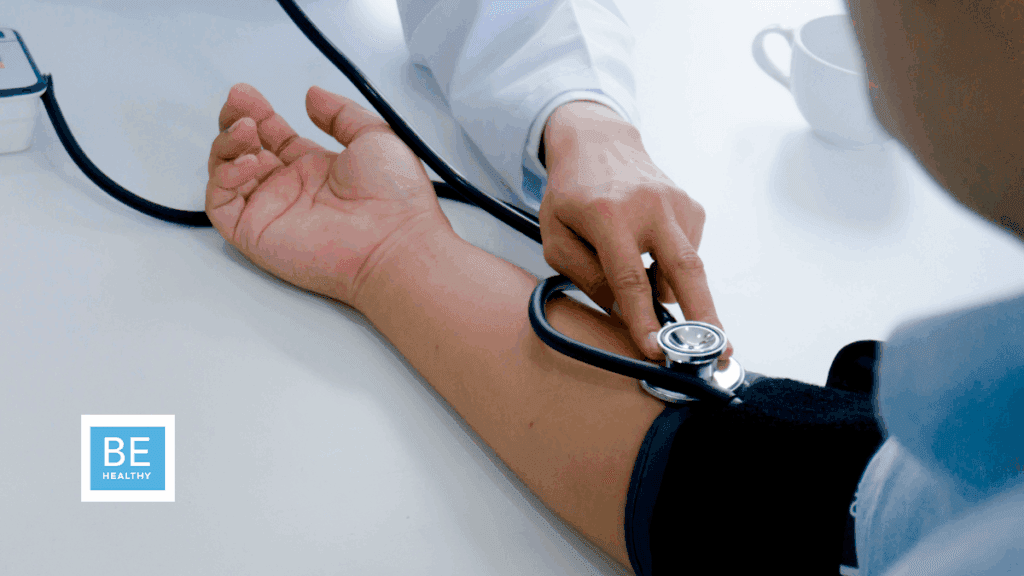
6. Monitor Your Blood Pressure
Regular check-ups are essential to detect hypertension early.
High blood pressure is a serious yet preventable condition. Prevention is always better than cure—start today.